
Perfume Tours in Europe | Elegant Experiences that Most Travelers Miss
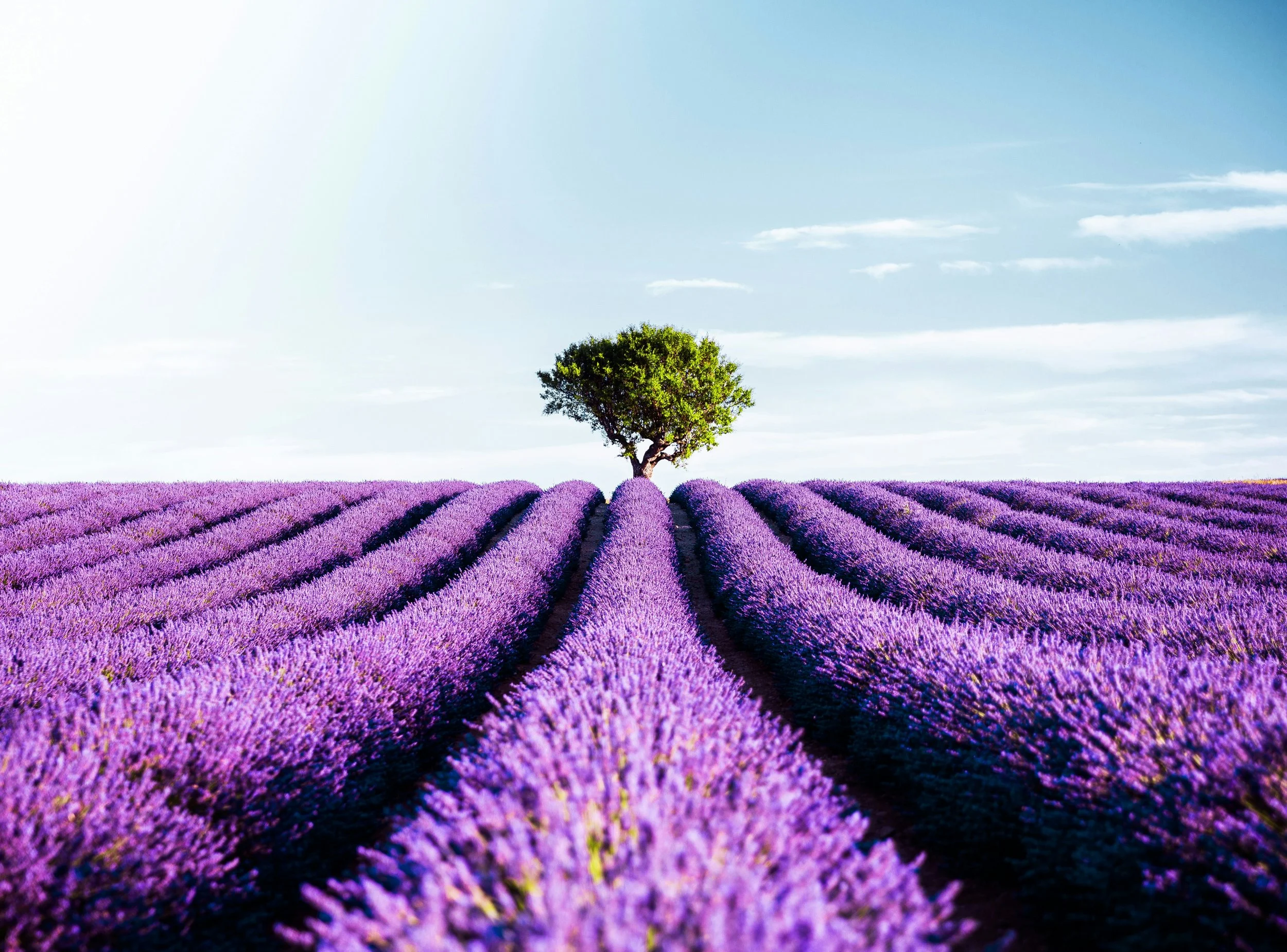
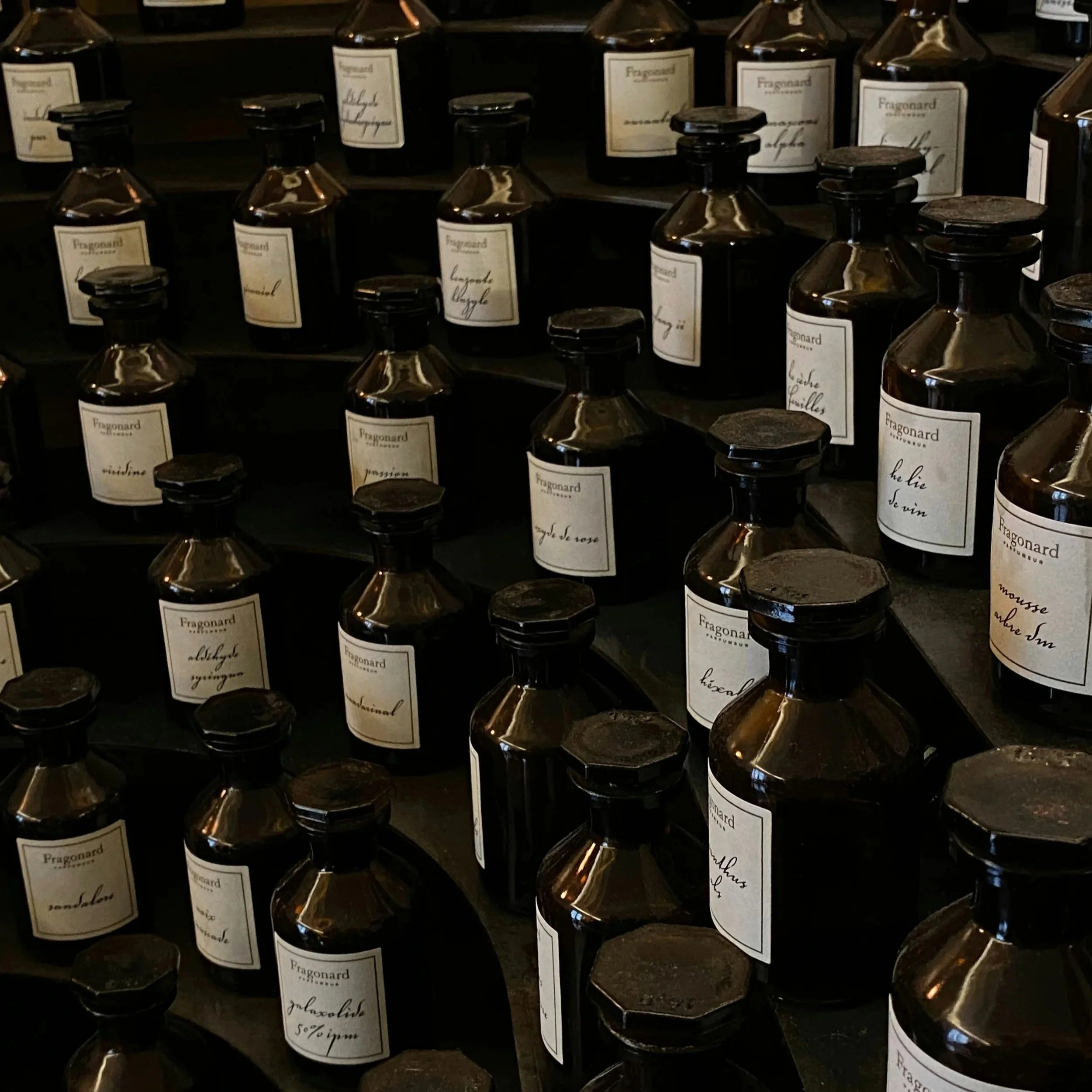
Picture this: you're somewhere in the South of France — warm light, lavender in the distance — when you step into a centuries-old perfumerie. A woman in a white coat hands you a tiny vial and says: "Smell this. Tell me what you feel." And you do. And it hits you somewhere deep and prehistoric, somewhere between memory and longing. You don't know what it is exactly, but you know it's yours.
That's a perfume tour. And it is, without question, one of the most wildly underrated travel experiences in Europe.
We've been conditioned to think of perfume shopping as something that happens under fluorescent lighting, spritzed onto a paper strip by a commission-based sales associate at a department store. But a perfumerie tour? That's a different universe. It's winemaking but for your nose. It's history, botany, chemistry, and art — all distilled into something you can wear.
If you're the kind of traveler who wants to understand a place rather than just photograph it, perfume tours are for you. This post is your complete guide: the science, the cities, the weird facts, the workshops, and everything you need to leave Europe with a signature scent that is entirely, unmistakably you.
Perfume Is 4,000 Years Old. And It Started With Smoke.
Before we talk tours, let's get one thing straight: perfume is not a modern luxury. It is one of humanity's oldest impulses. The very word comes from the Latin per fumum — "through smoke." The first perfumers weren't chasing a signature scent. They were trying to reach the gods.
Ancient Egypt, ~3000 BCE. The Egyptians used fragrant oils and balms for everything from burial rituals to daily grooming — perfume was associated with cleanliness, godliness, and status. Their most sacred blend, Kyphi, was burned nightly in temple rituals as an offering to Ra. Each recipe featured 16 ingredients including myrrh, sweet rush, cypress grass, wine, honey, raisins, resin and juniper. They also burned ambergris as incense — more on that extraordinary substance shortly.
The first recorded perfumer in history was a woman. A chemist called Tapputi, written of on a clay tablet from Mesopotamia in the second millennium BC — a female scientist who developed scent extraction techniques that would form the foundation of modern perfumery. Her name deserves to be on a bottle.
Greece and Rome took it further. The ancient Greeks discovered that fragrances linger longer on the skin when applied on the inner wrists — we now know this is because wrists are pulse points that increase body heat, allowing fragrance to emit more. The Romans used scented oils after bathing, perfumed public halls, and, in classic Roman fashion, took everything to absurd extremes. Emperor Nero famously perfumed his banquet halls with rose petals and fountains of scented water. They even scented their pets.
The Islamic Golden Age transformed everything. The Persian polymath Avicenna perfected the distillation process around the 9th century, allowing for the extraction of essential oils from flowers like the rose — this innovation led to the creation of alcohol-based perfumes and rosewater, which rapidly spread across the Middle East and beyond. Without this, modern perfumery as we know it would not exist.
Then came France. And things got theatrical. King Louis XIV's court was literally nicknamed la cour parfumée — the perfumed court. Madame de Pompadour ordered generous supplies of perfume, and the King demanded a different fragrance for his apartment every day. Napoleon, not to be outdone, reportedly went through sixty bottles of double-extract jasmine cologne every month. Personal hygiene: optional. Smelling magnificent: mandatory.
Grasse enters the story via leather gloves. The development of modern perfumery was unexpectedly accelerated by the European leather trade — tanning processes produced strong odours, prompting demand from European nobility for scented leather goods. Specialised glove makers began perfuming leather, and Grasse in Provence, already established for botanical cultivation, became the world's perfume capital. From gloves to global icon. Not a bad pivot.
The 19th century: chemistry changes everything. Houbigant and Guerlain were the first to use synthetic products: Fougère Royale in 1884, Jicky in 1889 — considered the first modern perfume. Chanel No. 5 followed in 1921, becoming arguably the most famous fragrance ever made. Suddenly, perfumers weren't limited to what could be extracted from a flower. They could synthesize the impossible — the smell of rain, of skin, of something that had never existed in nature before.
Which brings us to today, and to the question of what it means to seek out a perfume tour in 2025. You're not just visiting a factory. You're stepping into a 4,000-year-old conversation between humans and scent.
It's Like a Winery. Except the Terroir Is Flowers.
If you've ever done a wine tour and walked away thinking oh, I actually understand Burgundy now, buckle up — because a perfumerie tour hits that same intellectual sweet spot, except you're not tasting terroir, you're inhaling centuries of craft.
Here's what actually happens on a perfume tour:
You learn how raw materials are sourced. Flowers, resins, spices, woods — the world's most spectacular geography distilled into ingredients. A single kilo of rose absolute from Grasse can require up to 4,000 kilograms of hand-picked rose petals. Four thousand kilograms. For one kilo. Your perfume is basically agricultural alchemy.
You learn extraction techniques. Steam distillation. Enfleurage — an ancient, painstaking process where flower petals are pressed between fat to absorb their scent. Supercritical CO₂ extraction. Each method coaxes something slightly different from the same flower. It's the difference between a photograph and a painting of the same subject.
You decode the architecture of fragrance. Top notes, heart notes, base notes — a perfume is not a static thing. It's a narrative. It changes as it dries. What you smell when you first spray is NOT what you smell an hour later. And the version on your skin? That's unique to your body chemistry.
Often — and this is the good stuff — you create your own. Many workshops let you build your own formula under the guidance of a trained nose. You leave with a custom fragrance and the knowledge of exactly why it works. It is deeply satisfying in a way that buying a $300 bottle off a shelf never will be.
Where the World's Most Extraordinary Scents Come From
Here's something the perfume counter doesn't tell you: great fragrance is not about one country. The best perfumes are masterworks of global ingredient sourcing — a blending of botanical excellence from every corner of the earth. France is the architect. But the building materials come from everywhere. It’s like wearing the world on your wrist.
-
Origin: Grasse, France The queen of perfumery. Delicate, complex, irreplaceable. Harvested by hand at dawn before the heat destroys the volatile compounds. Grasse's unique microclimate — Mediterranean warmth, limestone soil, mountain air — produces a rose that perfumers consider impossible to truly replicate elsewhere. text goes here
-
Origin: Southeast Asia & Middle East One of the most expensive raw materials on earth — sometimes worth more per gram than gold. It forms when specific Aquilaria trees become infected by a particular mold and respond by producing a dark, resinous heartwood. The infection, essentially, creates the treasure. No pressure, tree.
-
Origin: Rose Valley, Bulgaria Ultra-concentrated, impossibly rich. It takes approximately 3 to 5 tons of rose petals to produce just one kilogram of rose otto. The harvest window is six weeks in May, at 5am, in the dew. Bulgarian rose has a slightly darker, more honeyed character than its French counterpart. Different terroir. Different soul.
-
Origin: Madagascar Considered the gold standard of vanilla in both cooking and perfumery. The vanilla orchid is hand-pollinated — because its natural pollinator doesn't exist outside Mexico — by farmers who must transfer pollen flower by flower, the same day the blossom opens. The result: warm, creamy, almost narcotic. A world-class base note.
-
Origin: Mysore, India & Australia Creamy, woody, and deeply grounding, sandalwood is the great harmonizer of perfumery. It softens sharp notes, deepens florals, and extends the life of everything around it. Indian Mysore sandalwood — the most prized — has been overharvested to near extinction. Sustainable Australian sandalwood is increasingly stepping in.
-
Origin: Grasse, France & Egypt Picked at night, when the scent is most potent. Processed within hours. A single kilogram of the waxy extract requires hundreds of kilograms of blossoms. Jasmine is warm, indolic (meaning: slightly animal, slightly bodily — yes, really), and central to some of the world's most iconic perfumes.
“Perfume is the most intense form of memory.”
Ambergris — Origin: The Intestine of a Sperm Whale. Yes. Really.
Let's just get right into it. Ambergris is produced in the digestive system of sperm whales — formed when the whale can't digest the sharp, horny beaks of the squid it eats. The waxy substance builds up around these beaks to protect the whale's intestines. The whale then either vomits it out or, in some theories, passes it. Either way: it enters the ocean. And then something remarkable happens.
Fresh ambergris smells exactly as you'd imagine — decidedly fecal. But floating on the open ocean for years, sometimes decades, it transforms. The sun, seawater, and oxidation work on it like a master perfumer. It hardens, fades from black to a pale grey or ivory, develops a waxy, pumice-like texture, and its scent becomes — and this is the part that's almost impossible to explain — complex, sweet, earthy, marine, woody, animalic, and magnificent. The perfumer Günther Ohloff once described it as "humid, earthy, faecal, marine, algoid, tobacco-like, sandalwood-like, sweet, animal, musky and radiant." Others say it smells like old church wood, or Brazil nuts. No two descriptions fully agree. That's part of the mystique.
The best pieces float in the open ocean for 20 to 30 years before washing ashore. The lighter the color, the longer it has aged, the more prized it is. Finding a lump on a beach is the olfactory equivalent of finding buried treasure — people have found pieces worth hundreds of thousands of dollars.
Its value in perfumery? It acts as an extraordinary fixative — anchoring more volatile fragrance molecules to the skin, dramatically extending how long a perfume lasts and giving it what perfumers call "radiance." Some of the most legendary perfumes in history relied on it: Chanel No. 5 included ambergris. So did Queen Victoria's signature fragrance, Fleurs de Bulgarie.
For centuries, its origin was a genuine mystery. Medieval scholars variously believed it to be hardened sea foam, solidified dragon spittle (the Chinese called it "dragon's spittle fragrance"), or the product of underwater volcanoes. During the Black Death, people carried balls of ambergris as pomanders, believing the scent could protect against plague. King Charles II of England's favorite dish was reportedly eggs and ambergris. Today it is mostly synthetic — real ambergris is legally protected in many countries — but the compound it contains, ambrein, remains one of the most studied molecules in fragrance chemistry.
Civet — Origin: Ethiopia · Once the Perfumer's Secret Weapon
Civet is a musky, intensely animalic secretion from the perineal glands of the civet cat — not actually a cat, but a small nocturnal mammal. In tiny, diluted amounts it smells warm, skin-like, and impossibly sensual. Undiluted, it smells like a very upset animal. Historically it was a cornerstone of classic oriental perfumes, adding depth and intimacy that synthetics struggled to replicate. Ethical concerns around animal welfare have led the industry almost entirely to synthetic musks, but civet's legacy lives in the DNA of countless classics.
Castoreum — Origin: Canada & Russia · The Beaver Situation
Castoreum is a secretion from the castor sacs of beavers — used by the animals to mark their territory with a scent that smells, bizarrely, of leather, smoke, and vanilla. Perfumers discovered it centuries ago and found it added an extraordinary leathery, smoky depth to fragrance. In very small quantities it's been used in food flavoring as well, which is a fact you can deploy at dinner parties for maximum effect. Largely replaced by synthetics today, but its influence on classic leather fragrances is incalculable.
“Perfume is a story in odor, sometimes poetry in memory.”
A Perfume Is a Story in Three Acts
Most people smell the top of a perfume in a store and make their decision. This is like judging a novel by its opening sentence. The real character lives in what comes after.
TOP NOTES — First 5 to 15 minutes First impression. Citrus, light florals, herbs. Bright and immediate — but they burn off quickly. This is not the perfume. This is the introduction.
HEART NOTES — 20 minutes to 2 hours The personality. Rose, jasmine, spice, iris. This is where the fragrance reveals its true character. The part most people never wait for at the counter.
BASE NOTES — Hours later The memory. Vanilla, musk, sandalwood, oud. What lingers on your skin at the end of the day. The part people lean in to smell. The reason someone says "you always smell incredible."
This is why perfumers say you should never decide on a fragrance at the counter. Spray it. Walk away. Buy lunch. Come back to your wrist after an hour. That's the perfume.
Europe's Best Perfume Destinations (That Aren't Just Grasse)
Yes, Grasse is the capital. But the perfume world in Europe is richer and more surprising than most travelers know. Here's where intentional travelers go.
-
UNESCO Heritage · The Mothership
The undisputed capital of perfumery and the place where the craft was essentially codified. Fragonard, Molinard, and Galimard have been here for over a century. The hillside town itself is steeped in flowers — jasmine, rose, tuberose, violet. Book the full atelier workshop at any of the three historic houses and plan to stay at least two days. The drive in alone, through fields that smell like the raw material of memory, is worth the trip.
Molinard Parfums Grasse Bastide: Classic Perfume Workshop (Book Here)
-
Niche Luxury · Haute Parfumerie
Paris is where perfumery meets fashion-level prestige. The Place Vendôme area and the Marais are lined with niche perfume boutiques that don't exist anywhere else — Serge Lutens, Frédéric Malle, Maison Francis Kurkdjian. Many offer personalized consultations that feel closer to therapy than shopping. The Osmothèque, a conservatory of historical and discontinued fragrances, offers guided sessions for those who really want to go deep. It's the perfume equivalent of listening to a lost recording.
Paris: Perfume & Cocktail Workshop at Sofitel Scribe (Book Here)
Molinard Parfums Paris 6: Classic Perfume Creation Workshop (Book Here)
-
Renaissance Roots · Artisan Craft
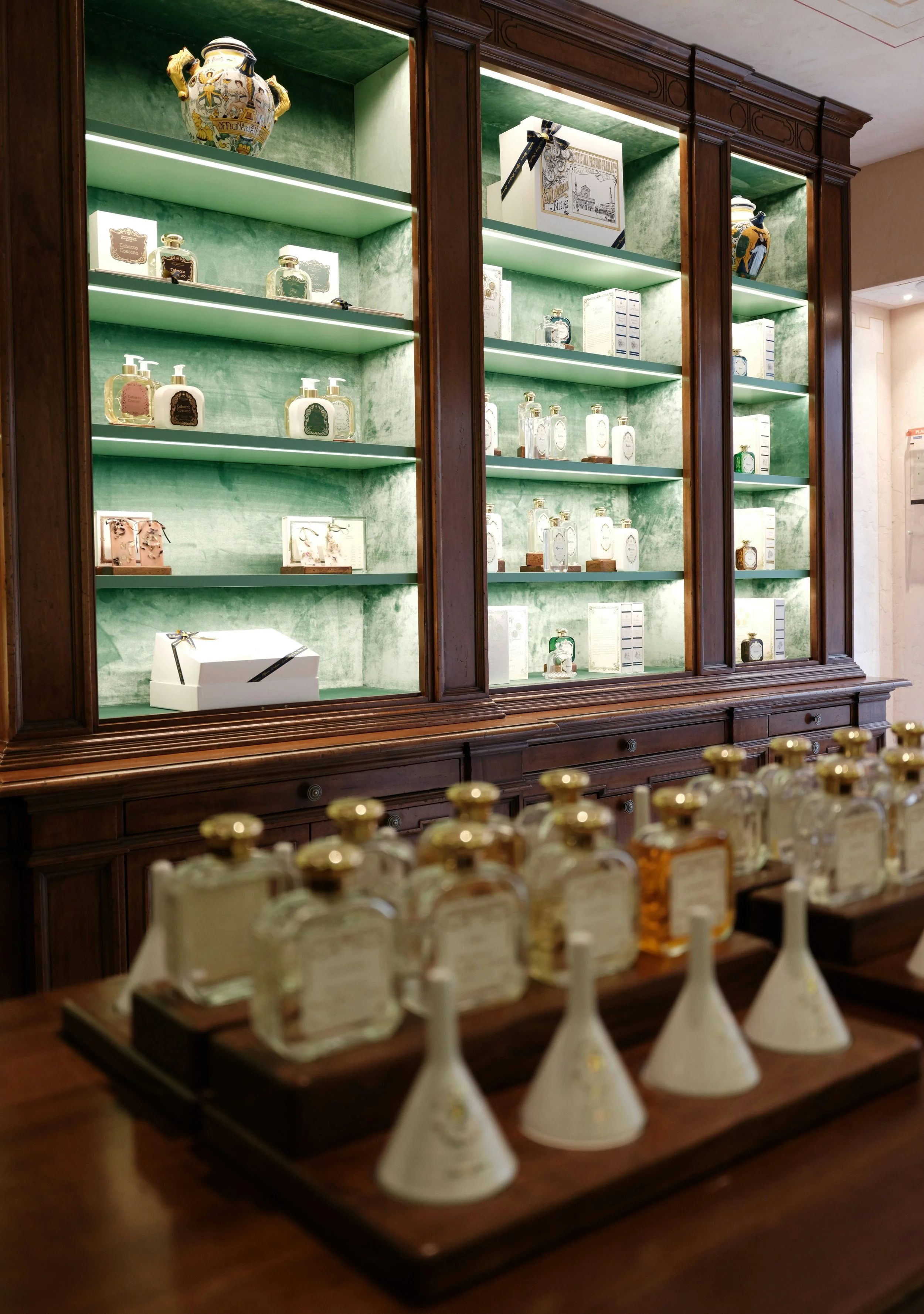
Florence gave the world the first modern perfumeries — the Medici had a court perfumer, and the Officina Profumo-Farmaceutica di Santa Maria Novella is still operating today, making it possibly the oldest pharmacy and perfume house in the world. It opened in 1612. The experience of walking in and smelling things that have been made in essentially the same way for over 400 years is difficult to describe. It's reverence and pleasure at once.
Florence- Guided Tour of Europe’s Oldest Pharmacy/Santa Maria Novella (Book Here)
-
Historical Curiosity · Eau de Cologne
You might know it for its cathedral, but Cologne is the birthplace of a fragrance style that shaped the entire industry. The original Eau de Cologne was created here in the early 1700s — a fresh, citrus-forward formula meant to be doused liberally (people in the 18th century were... enthusiastic). The Farina Gegenbüber museum is the original house, still family-owned, and offers tours that read like a novel.
Farina Gegenbüber Museum: Private Fragrance Workshop (Book Here)
-
East Meets West · Oud Country
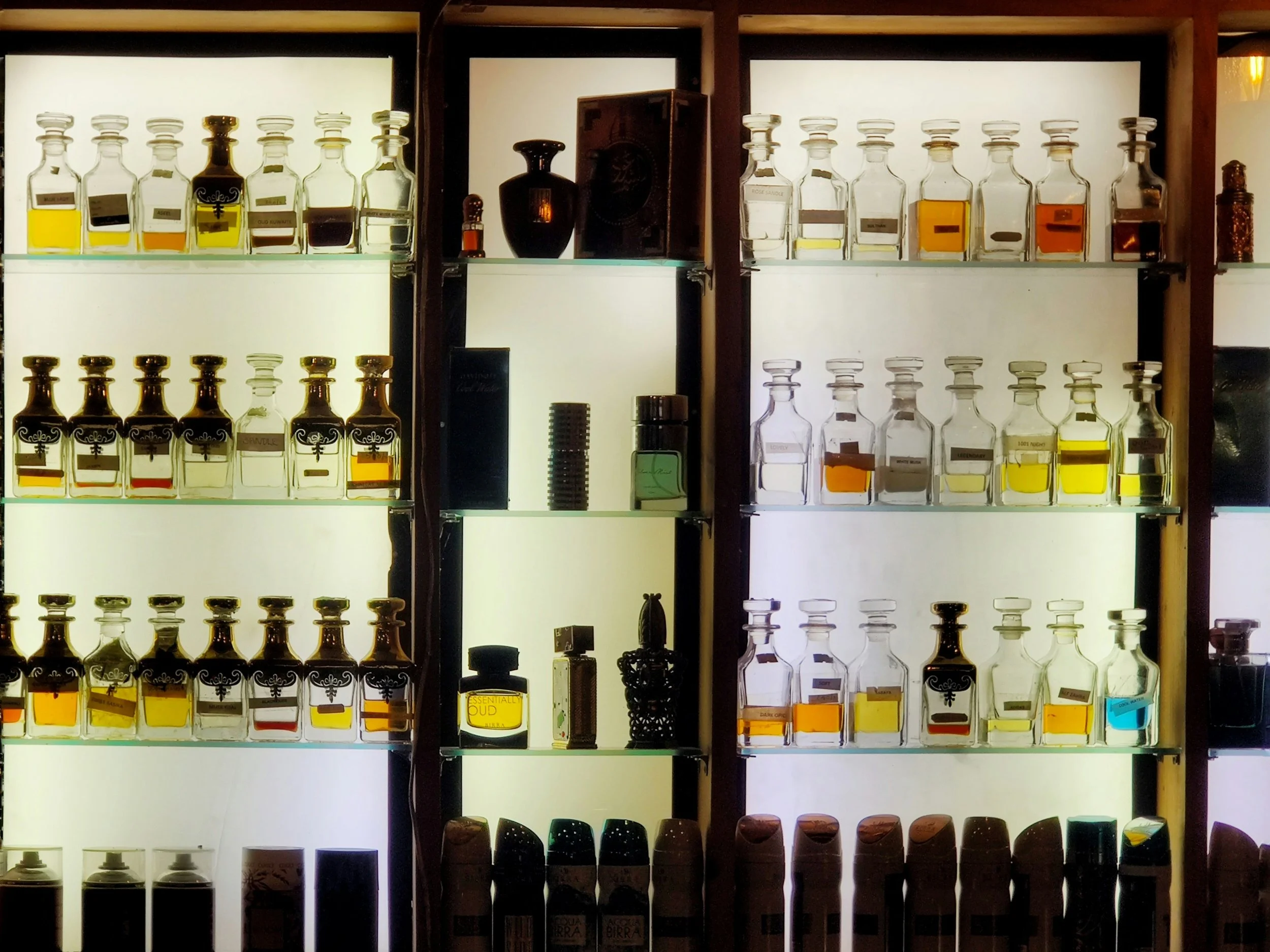
Istanbul sits at the crossroads of the European and Middle Eastern fragrance traditions, and the Grand Bazaar's perfume section is an entirely different olfactory universe from anything in France. Oud-heavy, resinous, bold, and warm. This is where the Western fragrance vocabulary runs out and something older and deeper takes over. If you've only ever shopped at department stores, your first hour in Istanbul's perfume market will be disorienting in the best possible way.
Istanbul: Perfume Making Workshop with Bosphorous View 5 star!! (Book Here)
Istanbul: Perfume Workshop at Old Wooden Mansion 80+ oils (Book Here)
-
Emerging Scene · Indie Perfumers
Barcelona's independent perfumery scene has quietly become one of the most interesting in Europe. Smaller, artisan houses are doing experimental, boundary-pushing work that the major French houses wouldn't touch. The city's Gothic Quarter has incredible hidden perfumeries that draw serious fragrance collectors from across Europe. Add it as a day trip from Madrid or a full stop — the food alone justifies it, and the scents are a bonus.
The Workshop Experience: Why You Should Create, Not Just Smell
Here's the part that surprises people: you don't need to be a trained perfumer to blend something beautiful. The workshops at houses like Fragonard and Molinard are designed to guide complete beginners through the process with actual results — not dumbed-down souvenir experiences, but real, wearable, thoughtful fragrance.
Here's what typically happens in a Create Your Own Perfume workshop:
Step 1 — Orientation. You're introduced to the major scent families: floral, oriental, woody, fresh, fougère. You smell examples. You start to understand your own language. This is the moment when most people realize they've been smelling things their entire lives without vocabulary for it.
Step 2 — Note selection. You smell individual notes and choose what resonates. A good instructor will watch your reactions — the hesitations, the re-smells, the involuntary sighs — and guide you toward coherence. This is less chemistry and more conversation.
Step 3 — Blending. You combine notes in measured drops, following a formula structure (base first, then heart, then top). You adjust. You balance. You discover that you've been drawn to vanilla your entire life and now you know why.
Step 4 — You leave with a bottle. A custom, named, labeled fragrance that you created. In a place you'll remember forever. On a trip that meant something. That bottle is not just perfume — it's a sensory journal entry.
Everything You Need to Know Before You Go
-
Don't wear perfume, scented lotion, or heavily scented hair products. Your nose is your instrument. Treat it accordingly. Arriving smelling like your usual perfume is like showing up to a wine tasting having already drunk a bottle.
-
Those jars of coffee beans on perfume counters? They're mostly theater. Research suggests sniffing coffee doesn't actually reset your olfactory palate. What does work: fresh air, and smelling the inside of your own elbow (your skin, unscented, is genuinely a palate cleanser).
-
Many European perfumes are significantly cheaper at source — sometimes 20–40% less than at a department store back home. More importantly, you'll find exclusive, region-specific scents that simply don't exist in export markets. Some of the best things you'll buy won't have a website.
-
Carry-on: standard TSA liquids rules apply (3.4 oz / 100ml max). For checked bags, wrap them in bubble wrap inside a sealed zip-lock bag inside a shoe. Altitude changes affect pressure. Leaks are heartbreaking. Checked bag is safer for anything over 50ml.
-
The number one perfume shopping mistake. First spray is top notes only — fresh, citrus, volatile, and completely misleading. Give any fragrance 45 minutes minimum on your skin before deciding. True character lives in the dry-down. The patience is worth it.
-
Especially in Grasse during spring and summer, the atelier workshops fill up weeks in advance. Book through GetYourGuide or Viator, or directly through Fragonard, Molinard, or Galimard. Small group sessions (under 12) are dramatically better than large ones.
-
Parfum (extrait) — highest concentration, longest lasting, most expensive. Eau de Parfum — the sweet spot for most people. Eau de Toilette — lighter, shorter-lived, better for warm climates. Cologne — very light, often citrus-forward. These aren't just marketing tiers. They genuinely smell different from each other even with the same formula.
-
French perfumery is extraordinary, but it's one tradition among many. Middle Eastern perfumery — particularly oud-based compositions — operates in a completely different aesthetic and is as sophisticated and ancient. Italian perfumery has elegance and restraint. Niche brands from Sweden, Japan, and the UK are reshaping the field entirely. Keep your nose open.
“Perfume is the art that makes memory speak.”
The perfume tour is, at its core, a slow travel experience. It asks you to pay attention. To let a city show itself through something you can't photograph. To leave with something invisible that carries more of the trip than any souvenir ever could.
When you open that bottle six months after you get home, close your eyes, and spray your wrist — you won't be in your bathroom. You'll be back in a sun-warm room in the South of France, with lavender in the distance, being handed a tiny vial by a woman who says: Tell me what you feel.
That's the trip worth booking.
Recommended Workshops:
Eze, France | Fragonard Perfume Making Class
Grasse, France | Perfume Making Class and Fragonard Factory Tour
Florence, Italy | Perfume Masterclass & Sensory Experience
Paris | Fragonard Mini Perfume Workshop
Happy Creating! … and don’t be afraid to make it a little intoxicating:)
~Jen
The Travel Speakeasy
