
9 Mistakes Americans Make During Their First 24 Hours in Europe (And What I Do Instead)
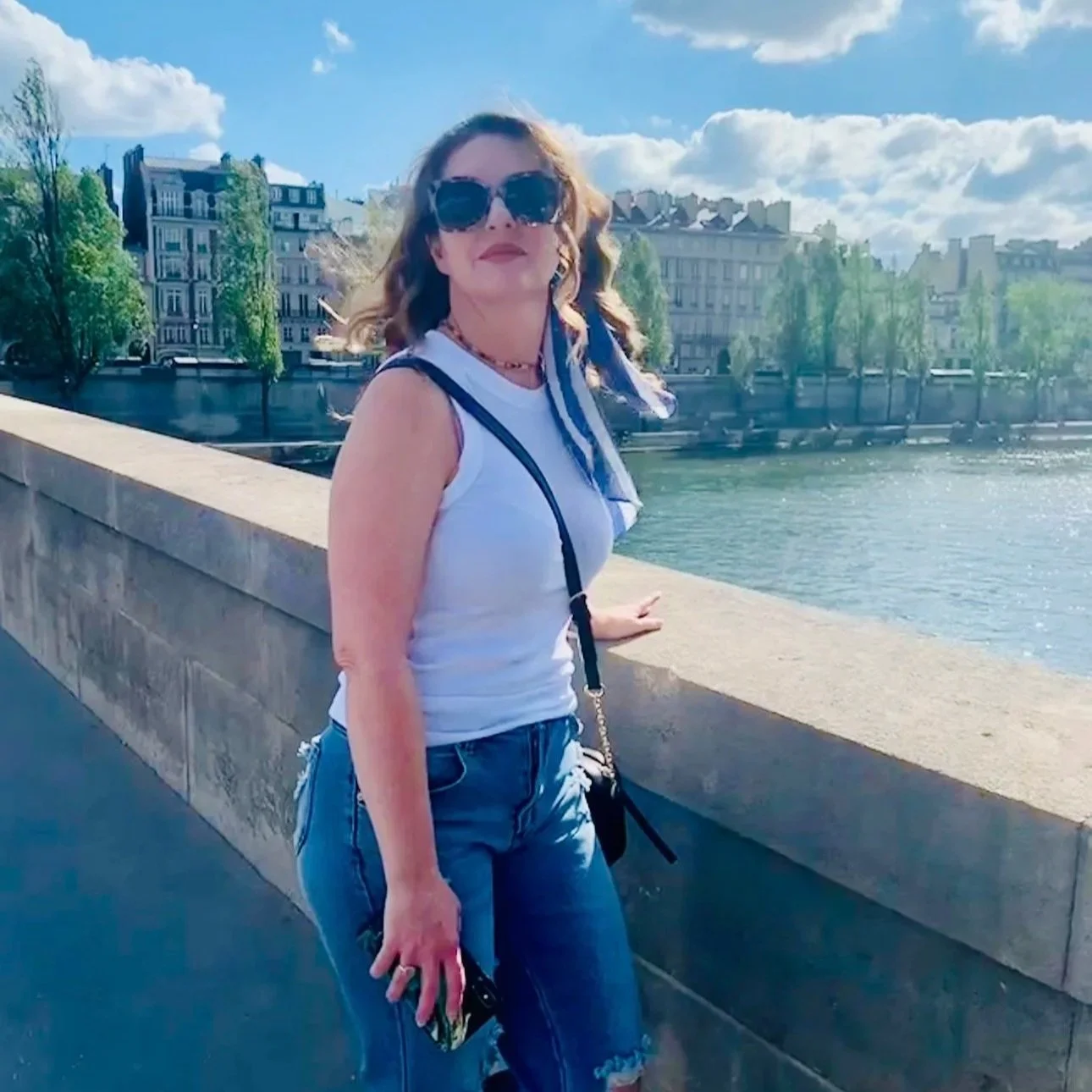
Before the museums, before the tours, before the sightseeing–just a quiet walk is all you need to start your journey off in the right direction. Sometimes the city itself is the attraction.
9 Mistakes Americans Make During Their First 24 Hours in Europe
After years of international travel, here's what I've learned. Your first 24 hours can determine whether your trip starts with energy — or exhaustion. These are the patterns I see again and again, and the exact approach I use instead.
Waiting Until You Land to Think About Jet Lag.
A few days before departure, I use the Timeshifter app to gradually adjust my sleep schedule. The less shock to your system on arrival, the easier the transition.
Going Straight to Bed When You Arrive.
I know — the hotel bed is calling your name. But instead: shower, change clothes, and get outside. Even a short walk helps convince your body it's daytime.
Not Hydrating Immediately on Arrival.
Most people blame jet lag when they're actually dehydrated. My rule is simple: water first, electrolytes second, coffee later. Long flights are dehydrating, and replacing fluids makes a bigger difference than most travelers realize.
Trying to Maximize Day One.
Arrival Day = Neighborhood Day. I don't rush to museums, tours, or major attractions. I find a café, bakery, pharmacy, and market. Within a few hours, I know how the neighborhood works — and the trip immediately feels easier.
Skipping a Proper Meal on Arrival Day.
Starting Vacation with Alcohol.
The airport toast. The Aperol Spritz. That first glass of wine in Italy — I know, it's part of the ritual. But on arrival day I usually delay the celebration. Hydrate, eat well, get settled, and save the wine for Day 2 when your body is adjusted and you can actually enjoy it.
Treating Europe Like a Checklist.
One of my first goals is to have a conversation with someone local — the family-run café owner, the bartender, the woman working in the bakery. I ask where they eat, what they recommend, and what visitors usually miss.
Those conversations often lead to my favorite discoveries. By the time I begin sightseeing, I already have insider tips that no guidebook could have given me.
Over-Scheduling Day Two.
Most people are still recovering. Day 2 is for restoration. A thermal spa. A massage. A long lunch. An aperitivo. Live music. Sitting outside with nowhere urgent to be.
Europe is full of beautiful wellness traditions, and they're often far more affordable than similar experiences in the United States. Vacation should actually feel relaxing.
Starting the Adventure Before You're Ready.
Day 3 is when the adventure begins. Now I'm rested, hydrated, adjusted, and fully present. Now I'm ready for museums, trains, tours, historic sites, and everything I crossed an ocean to experience.
The magic isn't going anywhere.
Europe Isn't Going Anywhere.
The museum will still be there tomorrow. The cathedral will still be there tomorrow. The sunset will still be there tomorrow.
I've learned that slowing down during the first 48 hours often allows me to experience more — not less. When I arrive rested, hydrated, adjusted, and present, the entire trip feels different.
This isn't about seeing less. It's about experiencing more.
My personal rule? If I'm flying all the way to Europe, I try to spend at least five nights in one destination.
Travel feels very different when you stop racing through places and start settling into them.
