
The Art of European Aperitivo: Why Small Plates, Spritzes & Timing Matter
Most Americans don’t realize this at first—
In Europe, the evening doesn’t begin with dinner.
It begins with a pause.
A drink. A table. Something small to share.
There’s a rhythm to it–subtle, unspoken, and easy to miss if you don’t know to look for it.
Most travelers move straight from sightseeing to dinner reservations, never realizing they’ve skipped one of the most defining parts of the experience.
Aperitivo isn’t just about what you drink.
It’s about when, how, and why.
And once you understand it, everything about your trip changes.
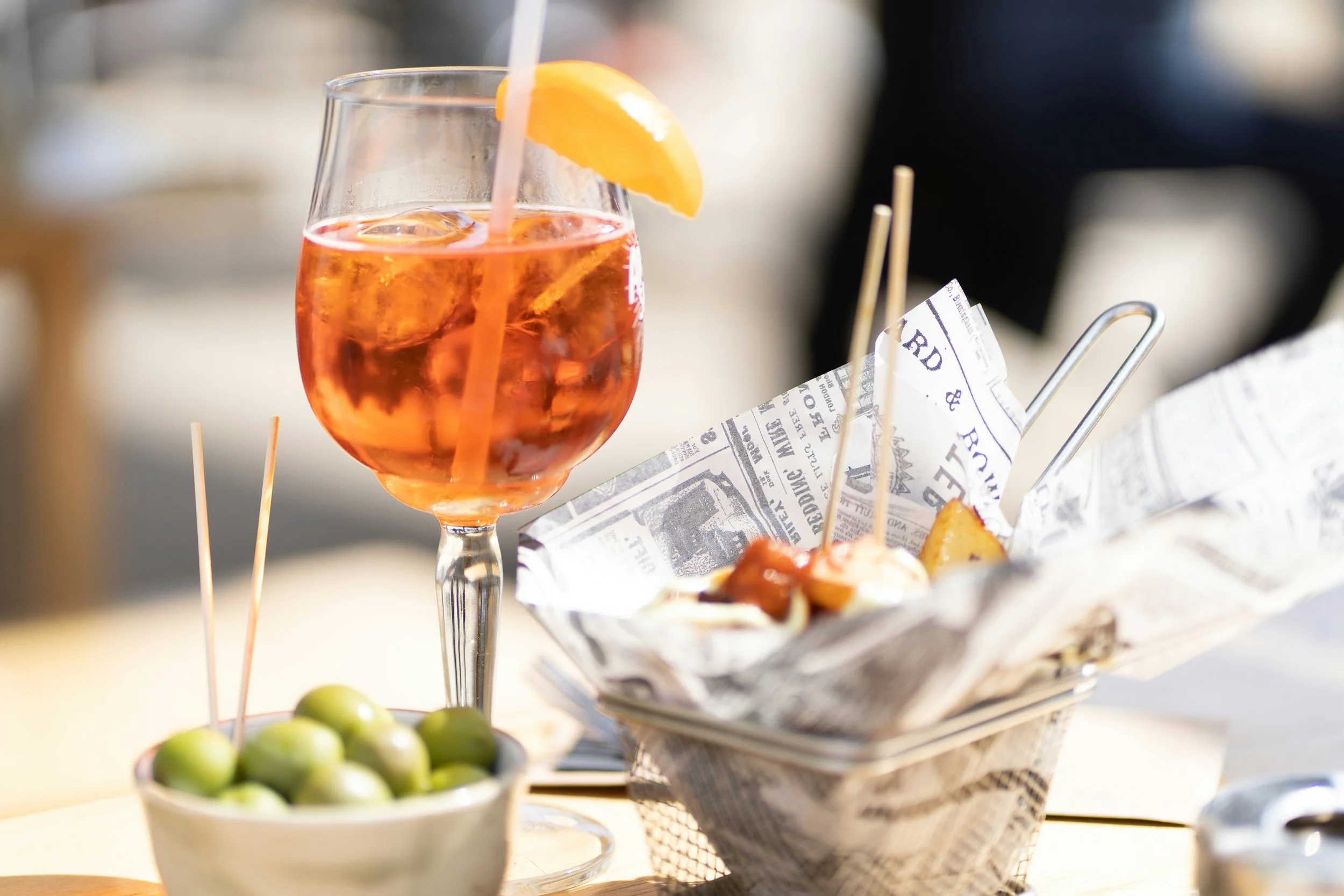
A small drink, a few bites–and the night unfolds from here.
What Is Aperitivo Culture?
Across Italy, Portugal, Spain, and parts of France, there’s a daily ritual that happens before dinner.
In Italy, it’s called aperitivo.
In Spain, it’s woven into tapas culture.
In Venice, it shows up in the form of cicchetti and spritzes.
It’s not quite a meal.
It’s not quite a drink.
It’s a pause.
A transition between day and night.
The Timing (This Is Where Americans Get It Wrong)
In the U.S., “happy hour” is:
early
rushed
often about discounts
In Europe, this time is slower and later.
Typical rhythm:
Aperitivo: 5:30–8:00 PM
Dinner: 8:00–10:30 PM (or later)
You don’t rush to dinner.
You ease into it.
Why Do They Serve Nuts, Olives, or Small Bites?
That small bowl of olives or crackers with your drink?
It’s not random.
It’s intentional.
These are:
light
salty
appetite-stimulating
They’re meant to:
wake up your palate, not fill you up
In some places, especially in Spain or Portugal, you may even receive small bites automatically with your drink.
It’s part of the experience—not an upsell.
Is It a Meal or Just an Appetizer?
This is where it gets nuanced.
In Europe:
small plates can be shared socially
they can be a pre-dinner ritual
or… they can become dinner itself
There’s no strict rule.
A table of:
cheeses
cured meats
small bites
a few drinks
👉 can absolutely be the meal
And often is.
Cicchetti, Tapas & Petiscos
Different regions, same idea:
Italy (Venice): Cicchetti
Spain: Tapas
Portugal: Petiscos
All are:
small
shareable
meant to be eaten standing, casually, socially
This isn’t fine dining.
It’s cultural dining.
And then there’s the drink itself…
What to Drink (and When)
This is where things become an art.
Before dinner (aperitivo drinks)
TRUE aperitivo drinks: (Light, slightly bitter, refreshing):
Aperol Spritz
Campari Spritz
Venetian Spritz
Vermouth-based drinks
Bitter = directly stimulates digestion
Light Wines:
White wine
Vinho Verde (Portugal)
These don’t have the exact medicinal origin but are light and refreshing.
With small plates
Light reds
Crisp whites
Spritzes
Nothing too heavy—you’re still in the “opening act”
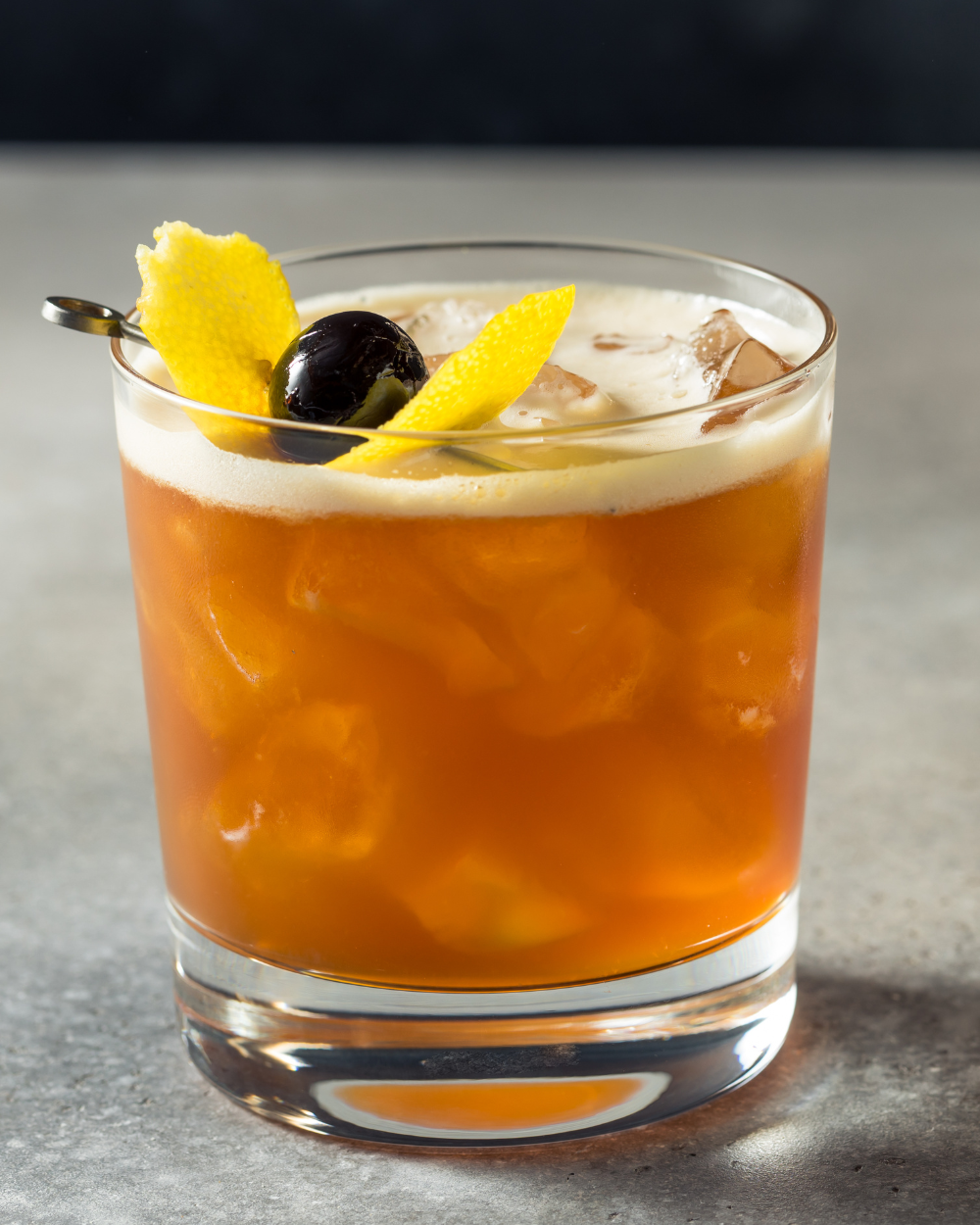
Some drinks, like Amaro, were originally created for digestion–using bitter botanicals to stimulate the body naturally.
After dinner
This is when drinks get deeper:
Port wine (Portugal)
Amaro (Italy)
Limoncello
Espresso (yes—this counts)
These help you digest and linger.
Some, like Amaro, were originally created for digestion.
Others, like Port wine or Limoncello, are less about function and more about slowing down the moment.
Not everything is medicinal–but everything is intentional.
What not to do
Order:
a heavy cocktail
or something overly sweet
before dinner
It interrupts the rhythm.
When Do You Actually Sit Down for Dinner?
Later than you think.
And often… after you’ve already eaten a little.
Which means:
you don’t need a massive meal
you’re not starving
you’re choosing dinner, not reacting to hunger
Why This Matters for Your Trip
If you don’t understand this rhythm, you might:
eat too early
skip aperitivo entirely
miss local spots that are alive during this time
over-order at dinner
But when you do understand it…
You start to:
move with the city
notice more
enjoy more
rush less
The Role of Bitters
There’s a reason so many pre-dinner drinks in Europe have a slightly bitter edge.
Aperol. Campari. Amaro. Even certain herbal wines.
That bitterness isn’t accidental—it’s historical.
Many of these drinks were originally developed as digestivi or medicinal tonics, infused with herbs, roots, citrus peels, and botanicals believed to support digestion.
And interestingly…
They still do.
Bitter flavors are known to stimulate gastric juices and bile production, helping prepare your body for food.
In other words:
That slightly bitter spritz before dinner?
It’s not just refreshing—it’s functional.
The Purpose Behind the Pour
In European culture:
drinks are designed to prepare the palate
not overwhelm it
not replace the meal
This is why aperitivo drinks are:
lighter
less sweet
more botanical
They’re meant to open the experience—not dominate it.
A Travel Speakeasy Perspective
Most travelers don’t miss Europe because they didn’t see enough.
They miss it because they didn’t understand the rhythm.
The pause before dinner.
The small plates that turn into a meal.
The drink that’s chosen for the moment, not just preference.
✨ Want to Experience This for Yourself?
This is exactly the kind of experience woven into The Travel Speakeasy adventures.
In Venice, it might look like:
stepping into a small bacaro
ordering a spritz
and discovering cicchetti tucked between narrow streets
In Lisbon, it might mean:
pausing for a glass of ginja
noticing the ritual
and seeing how something small connects you to the city
These aren’t just stops.
They are the culture.
They’re moments you might otherwise walk past.
If you want to experience this—not just read about it
✨ Before You Plan Your Trip…
Don’t just ask:
👉 “Where should I go?”
Ask:
👉 “How does this place live?”
Because once you understand that…
You don’t just visit Europe.
You stop reacting to a trip.
You start participating in it.
~Jen
The Travel Speakeasy
