
Lisbon’s Drink Culture: Why Ginja is More Than Just a Shot
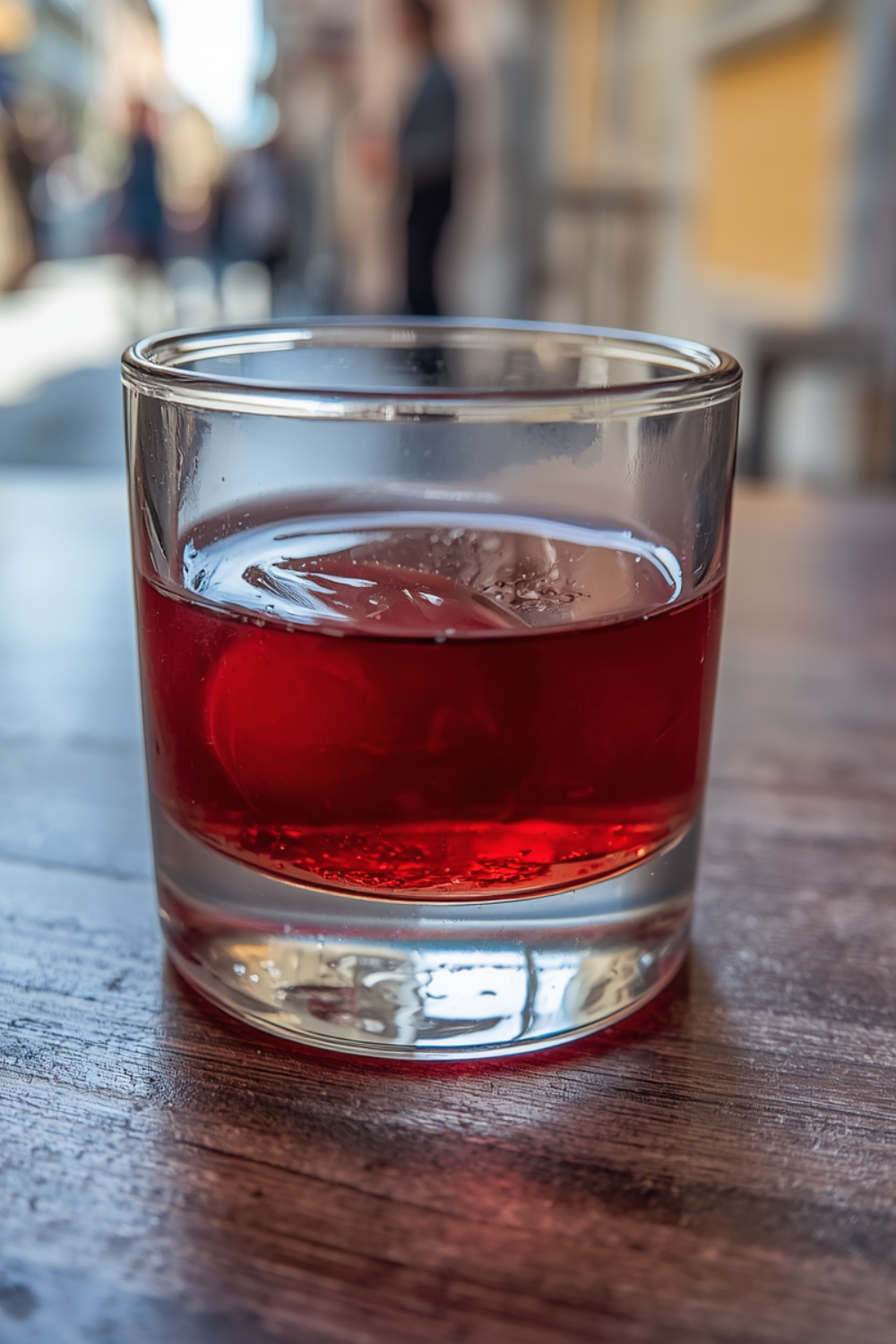
A small sip that captures the spirit of Lisbon
There are certain moments in travel that feel small—but stay with you long after the trip ends.
In Lisbon, one of those moments often comes in a tiny cup.
It’s deep red, slightly sweet, and handed to you over a narrow counter in a quiet street.
This is ginja—Portugal’s iconic cherry liqueur—and experiencing it is less about the drink itself and more about stepping into the rhythm of the city.
What Is Ginja?
Ginja (or ginjinha) is a traditional Portuguese liqueur made from sour cherries—specifically ginja berries, a variety of Morello cherry.
These cherries are:
soaked in alcohol (typically aguardente or brandy)
infused with sugar
sometimes enhanced with cinnamon or other subtle spices
The result is a rich, ruby-colored liqueur that is both sweet and slightly tart, with a smooth, warming finish.
A Bit of History
Ginja dates back to the 19th century and is believed to have been popularized by monks who began infusing sour cherries with alcohol as a medicinal tonic.
Over time, it moved from monastery kitchens into everyday Lisbon life.
Small, family-run bars—some no bigger than a doorway—began serving it to locals, creating a tradition that still exists today.
Places like A Ginjinha in Lisbon have been pouring it for generations.
What Does It Taste Like?
Ginja is:
sweet, but not overly sugary
slightly tart from the sour cherries
smooth with a subtle warmth from the alcohol
Some versions are richer and syrupy, while others are lighter and more refreshing.
And then there’s the best part…
With or Without the Cherry?
When you order ginja, you may be asked:
👉 “Com ou sem?” (With or without)
This refers to whether you want the cherry at the bottom of the glass.
Com → with the cherry
Sem → without
Most locals say yes to the cherry—and consider it part of the experience.
How It’s Served
Ginja is traditionally served:
in a small shot glass
sometimes in an edible chocolate cup
often standing at a bar or outside on the street
It’s quick, casual, and social.
You don’t sit down for ginja.
You pause for it.
How to Enjoy It Like a Local
Skip the restaurants.
Instead:
find a small, tucked-away ginja bar
stand at the counter
sip slowly (or not—it’s up to you)
observe the rhythm of the street around you
It’s not about the drink—it’s about the moment.
Where It’s Made (and Where to Try It)
Ginja is produced throughout Portugal, but Lisbon is where it lives culturally.
Look for:
tiny storefronts with locals gathered outside
places that specialize only in ginja
traditional spots like A Ginjinha or Ginginha do Carmo
You’ll know you’re in the right place if it feels simple, unpolished, and full of life.
Why This Belongs on Your Scavenger Hunt
Anyone can walk past landmarks.
But experiences like this—small, sensory, and deeply local—are what make a trip unforgettable.
Adding ginja to your Lisbon experience means:
tasting something rooted in history
participating in a daily ritual
stepping briefly into the life of the city
It’s not just something to try.
It’s something to notice.
✨ Travel Speakeasy Tip
When you build your itinerary, don’t just plan where to go.
Plan moments like this.
Because in the end, it’s rarely the landmarks that stay with you—
It’s the feeling of being there.
If you’re exploring Lisbon, this is exactly the kind of moment we’ve built into our curated experience.
👉Explore the Lisbon Scavenger Hunt
~Jen
The Travel Speakeasy
