
The Secret Life of Venetian Masks: Power, Pleasure, and Anonymity
Imagine a city where no one knows who you are… and that’s the point.
In Venice, anonymity wasn’t just a disguise — it was a way of life.
As early as the 13th century, masks began appearing throughout the city. By 1268, laws were already being written to regulate masked behavior — a sign that this wasn’t just celebration, but something far more embedded in daily life.
For months at a time, identities dissolved. Social status blurred. Rules loosened.
And behind porcelain faces and velvet cloaks, Venice became a city where anything felt possible.
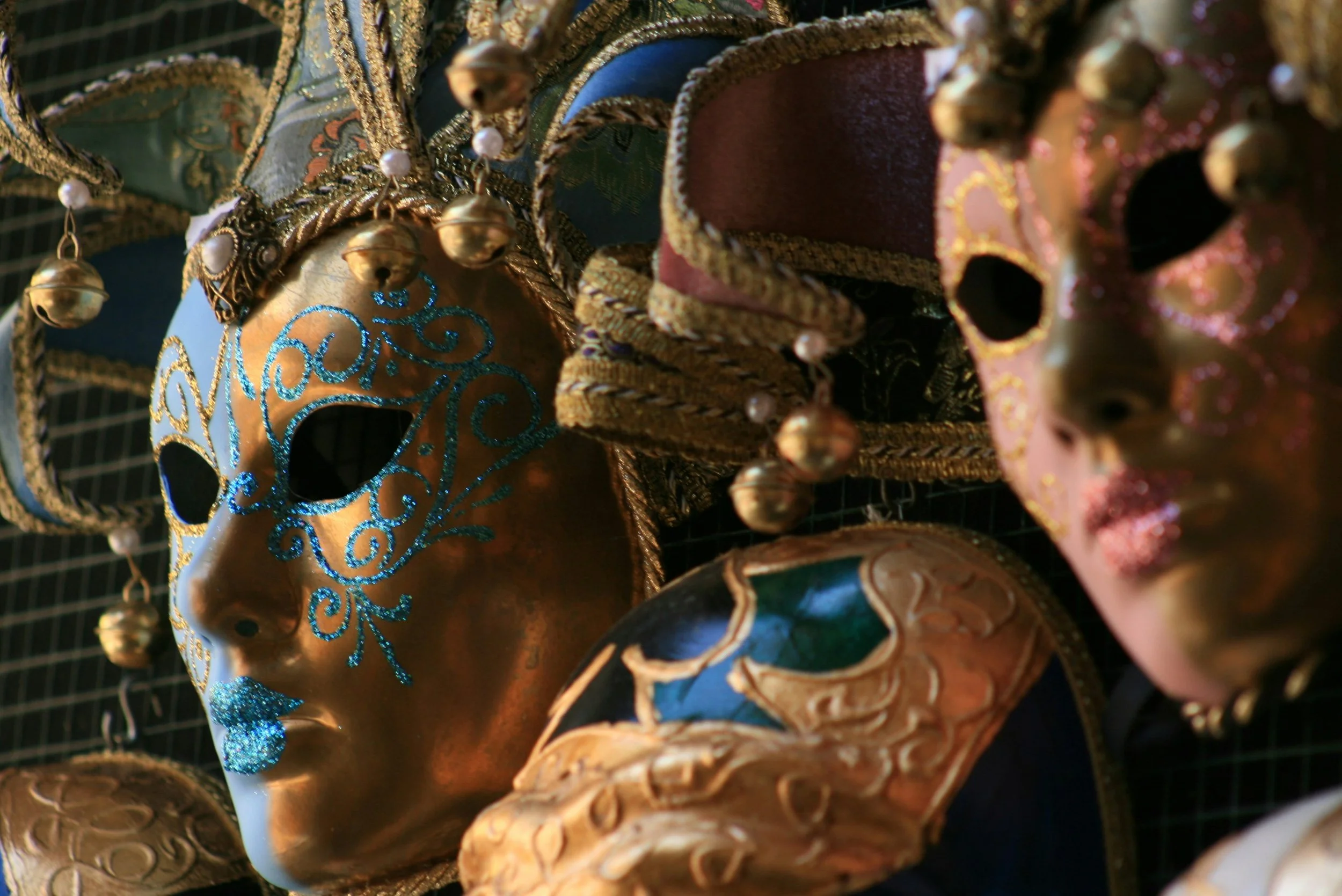
For months at a time, Venice became a stage — and everyone played a part.
More Than Costume: The World of Carnival of Venice
Today, masks are tied to Carnival — a short, dazzling season before Lent.
But historically, Venetians wore them for up to six months of the year.
They appeared at:
theaters
gambling houses
political meetings
everyday encounters
Masks weren’t about hiding.
They were about freedom.
Why Masks Took Hold
Venice was one of the most powerful and socially structured cities in Europe.
Masks allowed people to:
move between social classes
speak without consequence
explore identity without reputation
They were, in many ways, a social equalizer — and also a controlled form of rebellion.
The Craft: Venetian Mask Makers Guild
By 1271, mask-making was an official trade under the Arte dei Maschereri.
Masks were:
molded from papier-mâché
hand-painted
detailed with gold leaf, lace, and feathers
A skilled artisan wasn’t just creating beauty — they were creating function:
full anonymity
comfort for long wear
durability for repeated use
The craft was often passed down through generations, with apprentices learning within family workshops.
And while not formally documented, discretion was part of the culture — anonymity depended on it.
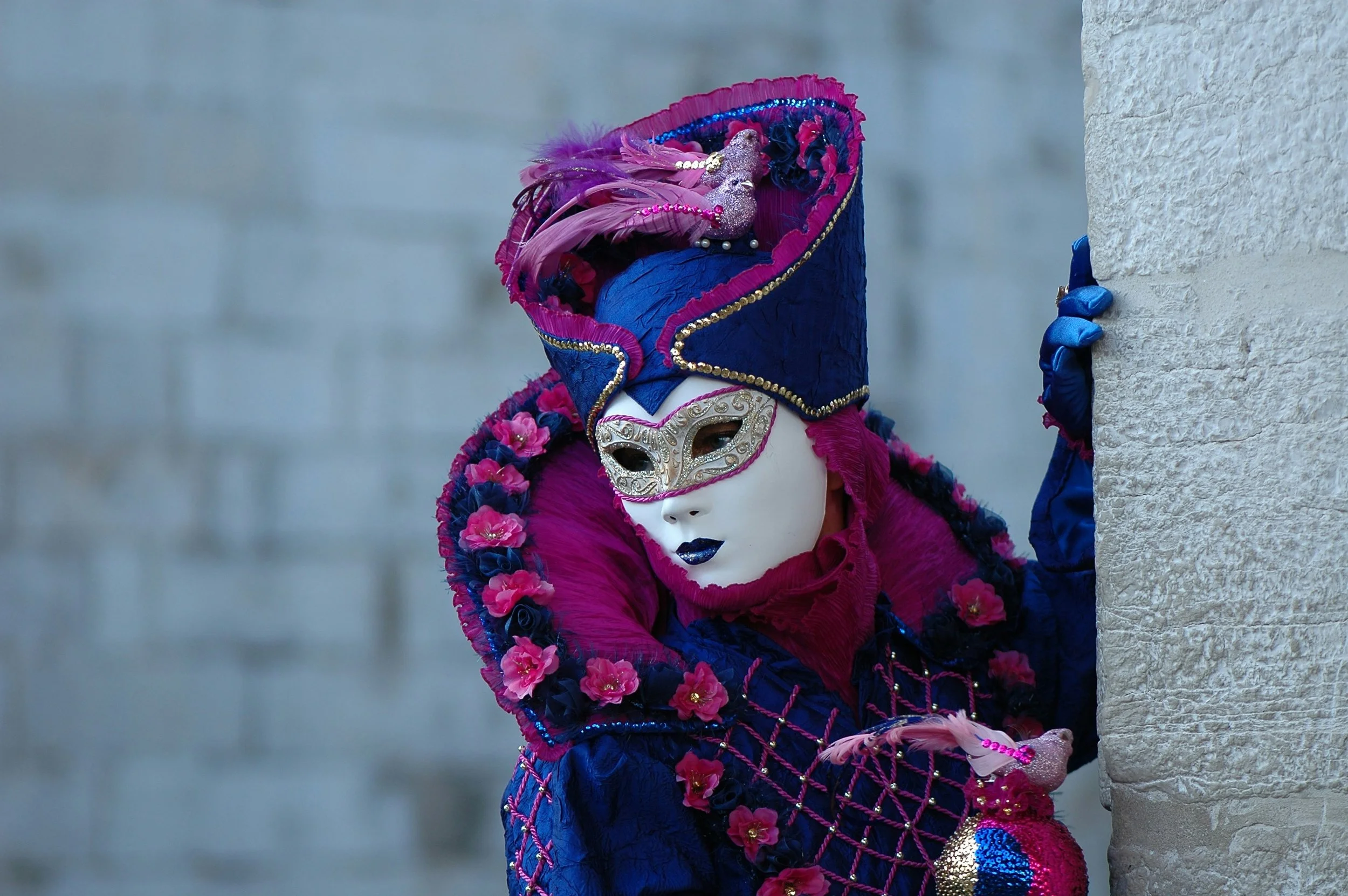
In Venice, a mask didn’t hide a woman
— it revealed a different version of her.
What Did Masks Cost?
At the height of their popularity, a quality mask could cost several days’ wages.
In today’s terms:
approximately $100–$500+
elaborate pieces even higher
Even then, masks were both:
accessible
and a symbol of status
The Masks Themselves
The Bauta
A full-face mask worn with a cloak and tricorn hat.
It allowed the wearer to:
eat and drink
speak clearly
remain completely anonymous
It was commonly used for:
political activity
gambling
secret encounters
Even Giacomo Casanova famously wore the Bauta to move freely through Venetian society.
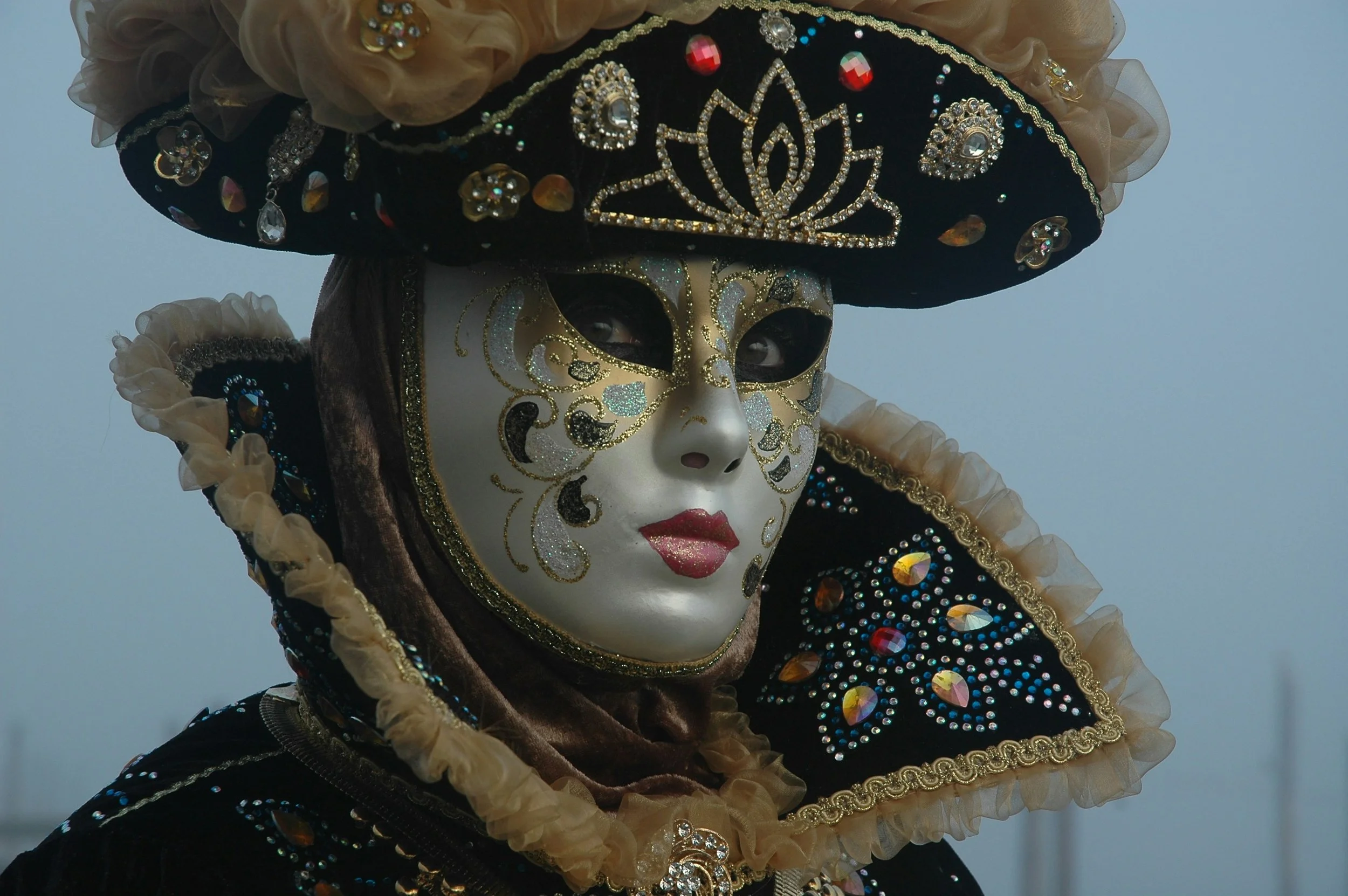
Anonymity was the ultimate privilege.
The Moretta
A small oval mask worn by women.
Held in place by biting a button, it rendered the wearer completely silent.
A presence without a voice — mysterious, controlled, and intentional.
The Medico della Peste
Originally worn by plague doctors, with a beak filled with herbs.
Later adopted into Carnival, it became one of the most haunting symbols of Venice — where history and performance blur.
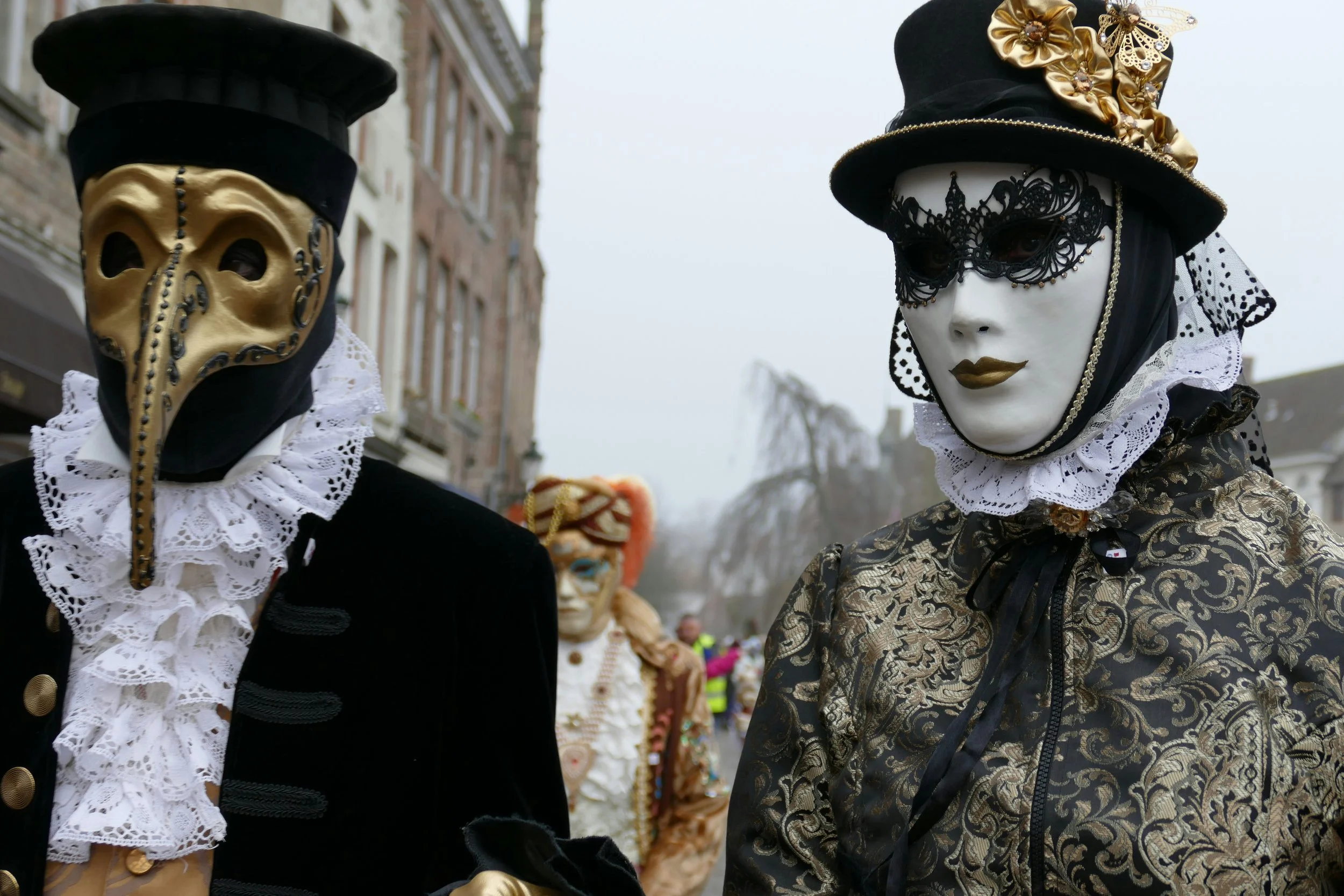
In a masked city, you never truly knew who you were speaking to.
What Happened Behind the Masks
Anonymity changes behavior.
Behind masks, people:
gambled freely
engaged in secret romances
blurred social boundaries
explored hidden parts of themselves
It was liberation — and excess.
Eventually, restrictions were introduced. Masks were limited to Carnival and specific events.
Because when no one knows who you are…
Rules begin to disappear.
Venice Today: A Glimpse Beneath the Surface
Today, masks remain — but mostly as symbols.
If you step into a workshop like Ca' Macana, you can still watch artisans shaping and painting masks by hand — continuing a tradition that has existed for centuries.
But the deeper story — the one about identity, power, and human nature — is easy to miss if you’re only passing through.
A Different Way to Experience Venice
Most travelers see Venice.
Very few experience it.
If you’re drawn to the hidden layers — the stories beneath the surface — there’s another way to explore.
👉 Start here:
Because Venice was never meant to be rushed.
It was meant to be uncovered.
~Jen
The Travel Speakeasy
